
What is 3D Printing Used For?
In today’s rapidly evolving technological landscape, 3D printing has emerged as a transformative force, bridging the gap between conceptualization and actualization. For tech enthusiasts, hobbyists, and product designers, understanding the full scope of 3D printing’s applications is crucial to leveraging its potential. This blog post delves into what is 3D printing used for, exploring key technologies such as FDM, SLA, and SLS to provide a thorough insight into this revolutionary field.
The Foundations of 3D Printing
3D printing, also known as additive manufacturing, builds objects layer by layer from a digital file. It offers advantages over traditional manufacturing methods, including increased design freedom, rapid prototyping, and cost-efficiency. The versatility of 3D printing is exemplified through various technologies, each with unique capabilities and applications.
Fused Deposition Modeling (FDM)
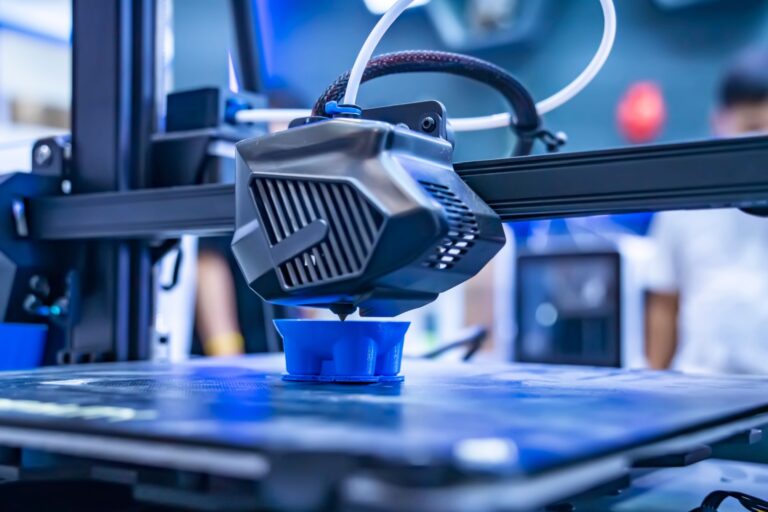
FDM is one of the most accessible and widely used 3D printing technologies. It works by extruding thermoplastic filaments through a heated nozzle, layer by layer. FDM’s appeal lies in its precision and choice of materials, which include PLA, ABS, PETG, and TPU.
- PLA (Polylactic Acid): Biodegradable and easy to use, PLA is ideal for creating detailed prototypes with a good surface finish.
- ABS (Acrylonitrile Butadiene Styrene): Known for its durability and high-temperature resistance, ABS is suitable for functional parts.
- PETG (Polyethylene Terephthalate Glycol): Offering impact resistance and food safety, PETG is perfect for robust applications.
- TPU (Thermoplastic Polyurethane): Renowned for flexibility, making it ideal for producing stretchable and durable parts.
Stereolithography (SLA)
SLA technology uses a laser to cure liquid resin into hardened plastic, layer by layer. This method is known for producing high-resolution prints with intricate details, making it a staple in industries requiring precision.
Selective Laser Sintering (SLS)
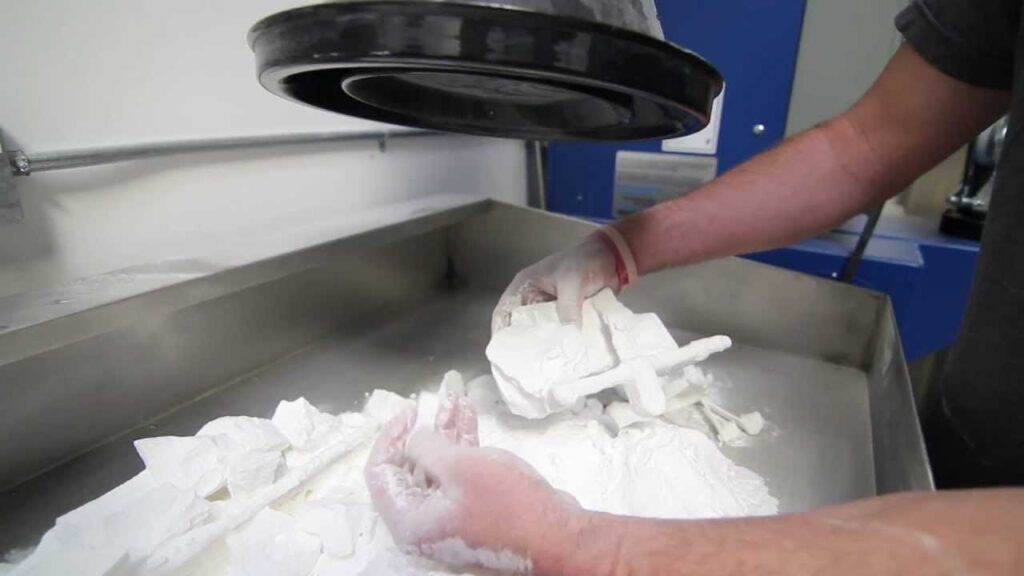
SLS utilizes a laser to fuse powdered material, typically nylon, into solid structures. It’s prized for creating durable, complex geometries without supporting structures, making it ideal for functional prototypes and end-use parts.
Diverse Applications of 3D Printing
Customer Service Enhancements
3D printing is revolutionizing customer service by enabling rapid prototyping and customized solutions. Companies can quickly iterate products based on customer feedback, ensuring a quicker turnaround and enhanced product satisfaction.
Human Resources Innovation
In the realm of HR, 3D printing aids in creating custom training tools and ergonomic office equipment tailored to individual needs. This personalized approach can enhance employee well-being and productivity.
Data Analytics and Visualization
For data analysts, 3D printing offers tangible representations of complex data sets, enabling more effective communication of insights and fostering a deeper understanding of analytical results.
Supply Chain Management Optimization
3D printing streamlines supply chain management by allowing on-demand production, reducing the need for extensive inventories. This flexibility enables companies to react swiftly to market demands, minimizing waste and costs.
Marketing Advancements
Marketers leverage 3D printing to create striking promotional materials and prototypes. This technology allows for customizing marketing collateral, making campaigns more impactful and engaging.
The Strategic Advantage of 3D Printing in Product Development
As industries embrace 3D printing, its strategic advantages become increasingly evident:
- Increased Design Freedom: Enables the creation of complex designs and internal features that are difficult or impossible to achieve with traditional methods.
- Rapid Prototyping: Accelerates the prototyping phase, allowing quick iterations and improvements.
- Cost-Efficiency: Reduces costs associated with waste, storage, and labor.
Case Studies: Real-World Impact
- Adidas’ Futurecraft 4D: Utilizing 3D printing, Adidas created a line of shoes with customized midsoles tailored to individual performance needs.
- Invisalign’s Custom Aligners: Leveraging 3D scanning and printing, Invisalign produces bespoke dental aligners for patients, revolutionizing orthodontic treatment.
Embracing the Future with Concept 274
At Concept 274, we pride ourselves on producing innovative designs that stand out for their quality and functionality. Our expertise in 3D printing allows us to transform client ideas into tangible products that solve problems efficiently and cost-effectively. We work closely with engineering teams, bringing different perspectives to the table and ensuring every design is optimized for functionality and manufacturability.
Are you ready to explore the limitless possibilities of 3D printing? Whether you’re a tech enthusiast, hobbyist, or product designer, our team at Concept 274 is here to help you navigate the exciting world of 3D printing. Schedule your free consultation today and discover how we can transform your innovative concepts into market-ready products that stand out for their quality, design, and functionality.
We ensure that our clients remain at the forefront of innovation by leveraging state-of-the-art amenities, breathtaking creativity, and an exclusive focus on efficiency. Join us in building the bridge from imagination to tangible success. Let’s collaborate and achieve extraordinary results together, schedule your free consultation today!