
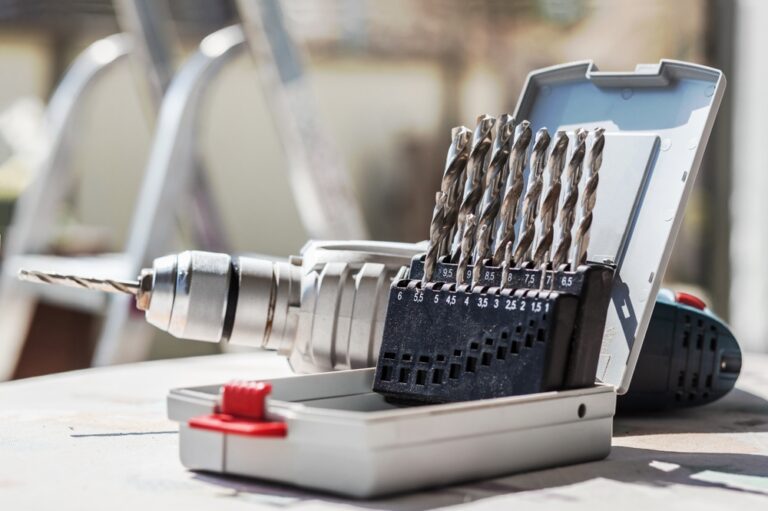
Drill bits are fundamental tools in any DIY enthusiast, product designer, or inventor’s toolkit. Selecting the correct drill bit size is crucial for your project’s success, whether crafting a simple home improvement piece or developing an innovative product design. Understanding the nuances of pilot holes and drill bit sizes can save time, ensure precision, and reduce material waste.
Understanding Drill Bit Sizes
Drill bits come in various sizes and shapes, each designed for specific materials and applications. Here are some basic categories:
- Twist Bits: These are the most common and are typically used for metal, wood, and plastic.
- Brad Point Bits: Ideal for wood due to their precision and ability to create clean holes.
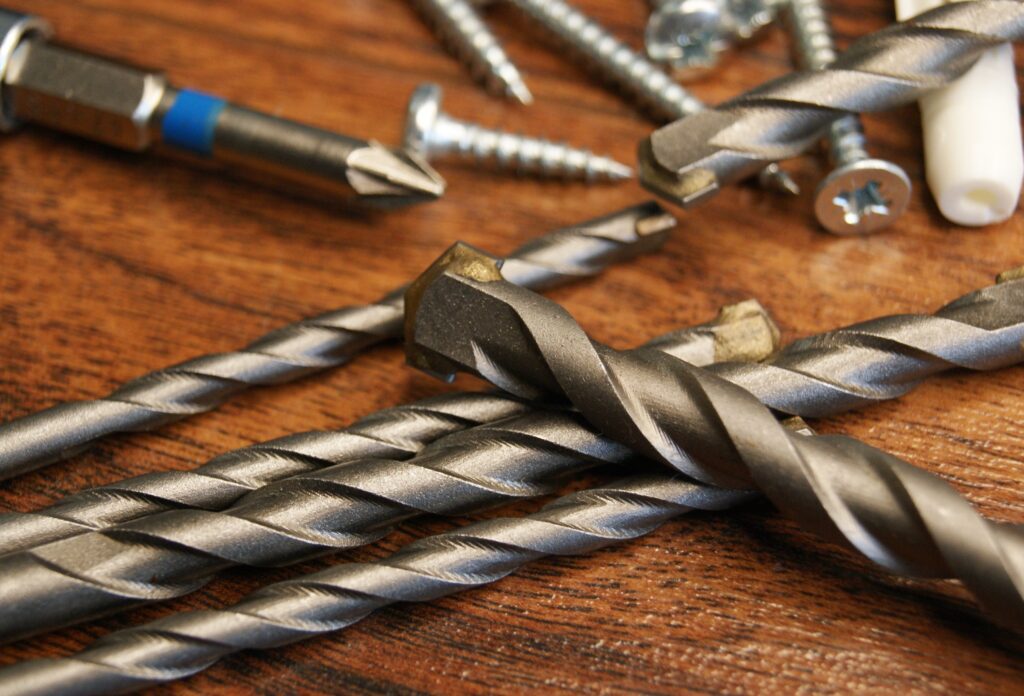
- Masonry Bits: Designed for drilling into concrete, brick, and stone.
The size of the drill bit is usually indicated in millimeters (mm) or inches, and selecting the proper size involves understanding both the diameter and length of the bit required for the task.
Critical Considerations for Choosing the Right Drill Bit Size
Material Type
Different materials require different drill bits. Ensuring you use the correct type of drill bit for your material will enhance efficiency and precision. For instance, twist bits are used for metal and wood, but masonry bits are used when working with concrete.
Hole Precision
For projects requiring high precision, such as product design and prototyping, the exact size of the drill bit is paramount. Brad-point bits, for example, are perfect for woodwork requiring clean, precise holes.
Functionality and Application
Consider the purpose of the hole:
- Pilot Holes: These are smaller holes drilled to guide larger screws or other fasteners. Pilot holes prevent material from splitting and help ensure screws go in straight.
- Clearance Holes: These are slightly larger than the screw diameter, allowing the screw to pass through without engaging the material.
Drill Bit Sizing Guide
To assist in selecting the proper size, here’s a basic outline for standard drill bit sizes based on various applications:
- 1/16 inch: For small holes in soft materials like wood and plastic.
- 3/32 inch to 3/16 inch: Ideal for medium-sized holes in wood or soft metals.
- 1/4 inch and above: Suitable for larger holes or heavy-duty materials like masonry.
Tips for Effective Drill Bit Selection
- Match the bit to the Job: Always use the appropriate drill bit type and size for the material and application.
- Use a Drill Bit Sizing Chart: Reference charts are invaluable for selecting the right size for pilot and clearance holes.
- Test First: When in doubt, test on a scrap piece of the same material to ensure perfect size and fit.
Join Us on the Path to Innovation
Choosing the right drill bit size is just one small part of realizing your vision. At Concept 274, we understand the full spectrum of challenges in product development. We are here to help you navigate them efficiently and cost-effectively.
Are you ready to take your ideas from concept to reality? Join our network of innovative creators, and let’s build something extraordinary together.
For more insights and expert tips, visit our website or contact us to learn how Concept 274 can enhance your product development journey.