
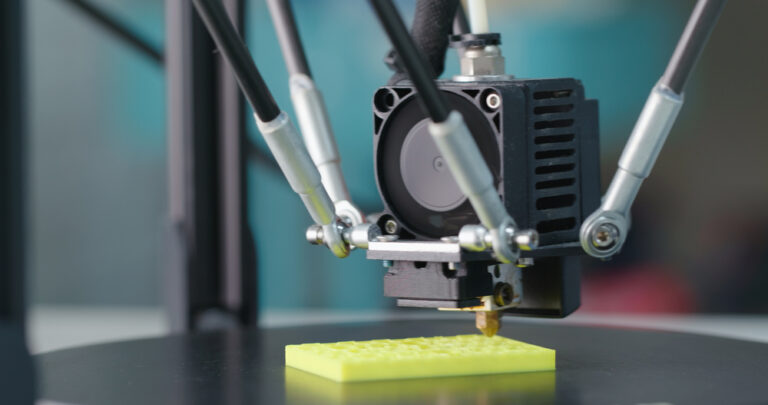
In the dynamic world of product development, 3D printing has become an indispensable tool for innovators and designers. It offers unparalleled flexibility and speed in creating prototypes that can be tested and iterated quickly. But, when it comes to 3D printing, one of the most crucial decisions you’ll make is choosing the suitable material. Each material has its unique properties, which can dramatically affect your final product’s look, feel, and function.
This guide will explore the most popular 3D printing materials, their applications, and considerations to help you make informed decisions for your next prototyping project.
Understanding 3D Printing Materials
Choosing a suitable material is essential for the success of your product prototype. Here’s a detailed breakdown of the most common materials used in 3D printing and their respective strengths and weaknesses:
- PLA (Polylactic Acid)
- Properties: PLA is known for its ease of printing and biodegradability. It offers a good surface finish but has limited durability and flexibility.
- Applications: Perfect for visual prototypes, concept models, and designs where aesthetics are more important than strength.
- Considerations: Limited heat resistance; may warp under high temperatures.
- PLA+ (Enhanced PLA)
- Properties: An improved version of PLA that is more durable and less brittle with better layer adhesion.
- Applications: Ideal for more robust concept models and light-duty functional prototypes.
- Considerations: Slightly improved over regular PLA but not suited for high-heat applications.
- ABS (Acrylonitrile Butadiene Styrene)
- Properties: Durable and impact-resistant with good heat resistance; can be post-processed for a smooth finish.
- Applications: Suitable for functional prototypes and structural parts that experience wear.
- Considerations: Requires good ventilation due to fumes and a heated bed for best results.
- PETG (Polyethylene Terephthalate Glycol-Modified)
- Properties: Strong, flexible, and durable with good chemical resistance; some variants are food-safe.
- Applications: Used for functional parts, prototypes needing durability and flexibility, and food-contact items.
- Considerations: Slightly more difficult to print due to stringing tendencies.
- TPU (Thermoplastic Polyurethane)
- Properties: Highly flexible with rubber-like elasticity and excellent abrasion resistance.
- Applications: Ideal for prototypes of flexible components like gaskets, seals, and wearable tech parts.
- Considerations: Prints slower than rigid materials due to flexibility.
- Nylon (Polyamide)
- Properties: High tensile strength, flexible, impact-resistant, excellent wear resistance.
- Applications: Best for mechanical components, moving parts, and prototypes requiring strength and flexibility.
- Considerations: Prone to moisture absorption, requiring careful storage.
- PC (Polycarbonate)
- Properties: Offers high strength, toughness, and excellent heat resistance.
- Applications: Prototypes in high-stress or temperature environments, like electrical enclosures.
- Considerations: Challenging to print; warping can be an issue.
- Carbon Fiber Reinforced Filaments
- Properties: Rigid and lightweight with improved strength and stiffness; matte finish.
- Applications: For prototypes requiring a high strength-to-weight ratio, such as drone frames.
- Considerations: Abrasive on nozzles; requires hardened steel nozzles.
- ASA (Acrylonitrile Styrene Acrylate)
- Properties: UV resistant, durable, high impact strength, better weather resistance than ABS.
- Applications: Outdoor prototypes and parts exposed to harsh environments.
- Considerations: Similar to ABS with better UV resistance.
- PP (Polypropylene)
- Properties: Lightweight with high chemical resistance and flexibility; great for living hinges.
- Applications: Chemical-resistant prototypes and parts with hinges or joints.
- Considerations: Known for warping; requires careful adhesion techniques.
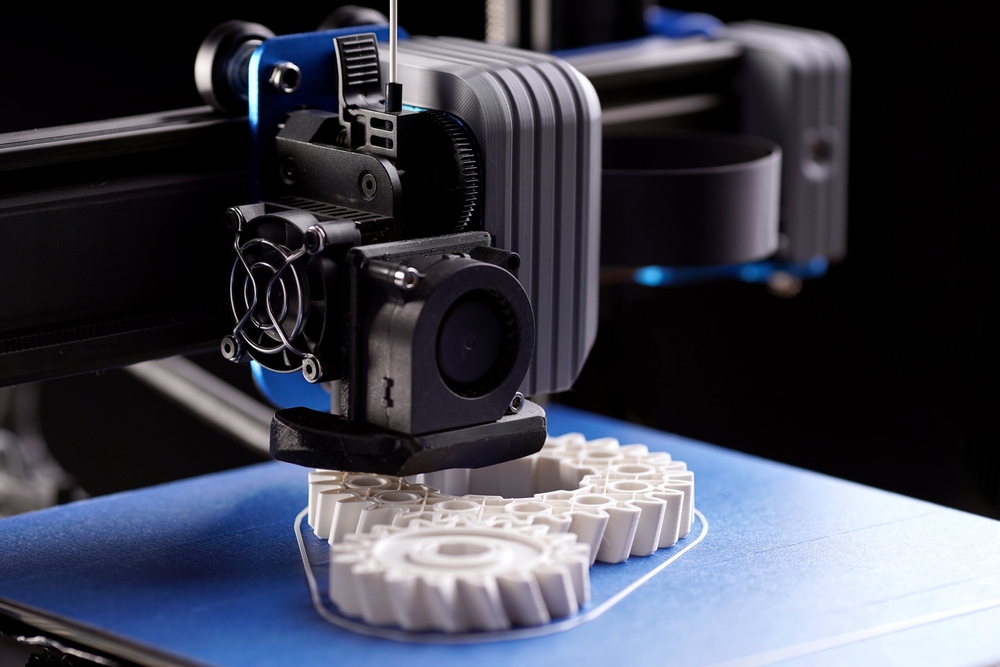
Making the Right Choice for Your Project
When selecting a 3D printing material, consider the following factors:
- Strength and Durability: Determine if the prototype needs to withstand physical stress or wear.
- Flexibility and Elasticity: For parts needing bending or resilience, choose materials like TPU or Nylon.
- Heat Resistance: Consider environmental exposure; materials like ASA and PC offer higher heat resistance.
- Ease of Printing: Some materials, such as PLA, are more beginner-friendly, while others, like Nylon and PC, require advanced knowledge and equipment.
- Cost: Balance your budget constraints against the material properties needed for your prototype.
Conclusion
Choosing a suitable 3D printing material is a pivotal step in product prototyping. Understanding each material’s unique properties allows you to make strategic decisions that align with your design goals and functional requirements.
Ready to start your prototyping adventure? Join the Concept 274 community of tech enthusiasts, designers, and engineers to share insights and collaborate on innovative projects. Sign up for our newsletter to access exclusive deals, insights, and expert tips on leveraging the power of 3D printing for your next big idea.
Leap into the future of product development and contact us today!