
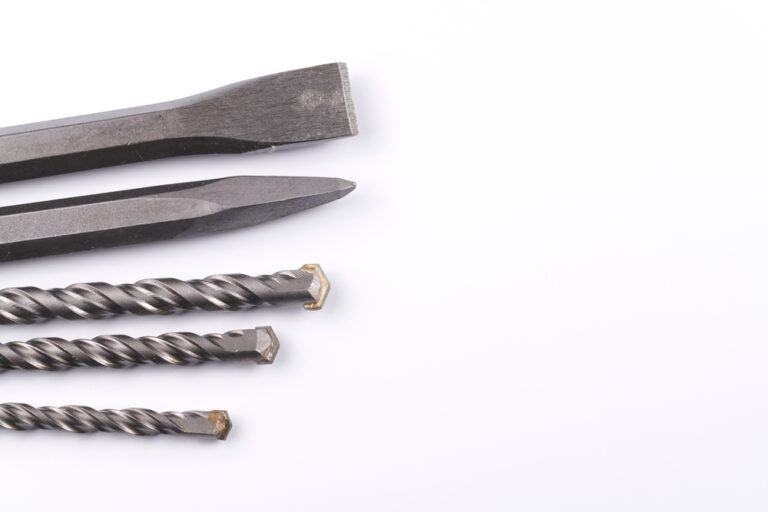
Understanding the importance of pilot hole size is critical to achieving precision in your projects. Whether you’re a product designer, a DIY enthusiast, or an inventor, this fundamental knowledge can significantly enhance the quality and efficiency of your work.
Why Pilot Hole Size Matters
Pilot holes serve as guide holes for screws and help to prevent wood from splitting or metal from distorting. Correctly sized pilot holes enable smoother screw insertion and ensure a secure fit, making your finished product not only more reliable but also visually appealing.
Types of Screws: Thread-Forming vs. Thread-Cutting
To determine the correct pilot hole size, it’s essential to know the type of screw you’re using. Screws are generally categorized into two kinds: thread-forming and thread-cutting.
Thread-Forming Screws
Thread-forming screws displace material to form threads as they are driven into a pilot hole. These screws are typically used in softer materials like plastic and wood. Due to the nature of these screws, the pilot hole must be smaller than the screw diameter to provide sufficient material for thread formation.
Thread-Cutting Screws
Thread-cutting screws, on the other hand, are designed to remove material to create threads. These screws are often used in more rigid materials like metal. The pilot hole for thread-cutting screws should be slightly larger to accommodate the removal of material without causing undue stress.
Pilot Hole Size Chart
To assist you in selecting the correct pilot hole size, we have compiled a comprehensive chart detailing various screw sizes and their corresponding pilot hole dimensions:
| Screw Size | Thread-Forming Pilot Hole Size | Thread-Cutting Pilot Hole Size |
|————|——————————–|——————————-|
| #2 | 1/16″ (1.6 mm) | 5/64″ (2.0 mm) |
| #4 | 3/32″ (2.4 mm) | 7/64″ (2.8 mm) |
| #6 | 7/64″ (2.8 mm) | 1/8″ (3.2 mm) |
| #8 | 1/8″ (3.2 mm) | 9/64″ (3.6 mm) |
| #10 | 9/64″ (3.6 mm) | 11/64″ (4.4 mm) |
| #12 | 5/32″ (4.0 mm) | 3/16″ (4.8 mm) |
| #14 | 11/64″ (4.4 mm) | 13/64″ (5.2 mm) |
Factors Influencing Pilot Hole Selection
Material Type
The material into which you are driving the screw significantly influences pilot hole size. Softer materials like pine or plastic require smaller pilot holes. In comparison, more rigid materials like oak or metal need larger ones to prevent cracking or undue stress.
Screw Material and Coating
Screws made from different materials and with various coatings may also have different pilot hole requirements due to their varying friction levels. Always consult the manufacturer’s guidelines to ensure compatibility.
Application Requirements
Consider the specific application and the desired strength of the joint. For instance, load-bearing applications may require a tighter fit, necessitating a smaller pilot hole, whereas non-load-bearing applications may be more forgiving.

Conclusion
Mastering the art of drilling the perfect pilot hole can dramatically impact the quality of your projects. By understanding the distinctions between thread-forming and thread-cutting screws and referencing the screw manufacturer’s pilot hole size chart, you can ensure precision and reliability in your work.
Ready to take your project to the next level? Visit our website for expert tips and tools that guarantee success in every endeavor. Let’s innovate together!
For more information and detailed guides, subscribe to our newsletter or contact our team of experts today. Your success is our mission.