
At Concept 274, we understand CNC (Computer Numerical Control) machines’ pivotal role in industrial design and product development. These powerful machines enable precision, efficiency, and innovation, helping bring creative ideas to life. Whether you’re an industrial designer, hobbyist, product designer, or entrepreneur, mastering a CNC machine can significantly boost your productivity and creativity.
In this comprehensive guide, we’ll walk you through how to use a CNC machine and its essential components and functions, providing you with the knowledge you need to get started and excel in your projects.
What is a CNC Machine?
A CNC machine is a sophisticated piece of equipment that uses computer programs to control the movement and operation of machinery tools. This allows for high-precision manufacturing of complex parts and components across various industries. CNC machines are utilized for milling, turning, drilling, and cutting, making them incredibly versatile for multiple applications.
Critical Components of a CNC Machine
Understanding the primary components of a CNC machine is crucial for effectively operating and maintaining it. Here are the main components you’ll encounter:
- Control Panel
The control panel is the brain of the CNC machine. It houses the computer and interface to input commands, load programs, and monitor the machine’s performance. Familiarity with the control panel’s functions is essential for smooth and efficient operations.
- Machine Bed
The machine bed provides the foundation for the CNC machine. It supports the weight of the workpiece and absorbs vibrations generated during the machining processes. A sturdy and level machine bed ensures accuracy and stability.
- Spindle
The spindle is the rotating component that holds and drives the cutting tool. Spindle speed and power are critical factors determining the machining process’s quality and precision. Different materials and cutting operations may require specific spindle speeds for optimal results.
- Tool Changer
The tool changer automatically allows the CNC machine to switch between different cutting tools. This feature enhances efficiency by minimizing downtime and enabling complex machining tasks without manual intervention.
- Worktable
The worktable, known as the work-holding device, secures the workpiece during machining. Proper work holding is vital to prevent movement and ensure consistent results. Clamps, vises, and fixtures are commonly used work-holding devices.
- Cutting Tools
Cutting tools are the instruments that perform the actual material removal. They come in various shapes, sizes, and materials, each designed for specific tasks. Standard cutting tools include end mills, drills, and lathes.

Functions of a CNC Machine
CNC machines can perform a wide range of functions, each tailored to achieve precise and intricate results. Here are some of the primary functions:
- Milling
Milling involves removing material from a workpiece using rotary cutters. CNC milling machines can create high-precision complex shapes, holes, and slots. They’re commonly used in manufacturing components for aerospace, automotive, and consumer electronics industries.
- Turning
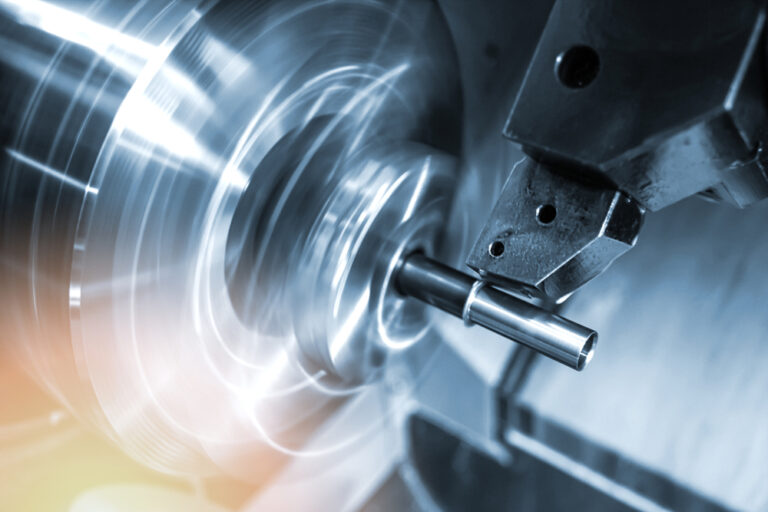
Turning operations involve rotating the workpiece while a cutting tool removes material to create cylindrical shapes. CNC lathes are specialized machines for turning processes, producing parts such as shafts, bolts, and rings.
- Drilling
Drilling is the process of creating holes in a workpiece. CNC drilling machines offer accurate hole placements and depths, making them essential for construction, fabrication, and assembly applications.
- Cutting
CNC cutting machines use various tools and techniques, such as plasma, laser, and waterjet cutters, to slice through materials with precision. These machines are ideal for creating intricate designs and patterns in metals, plastics, and composites.
Steps to Get Started with a CNC Machine
- Learn the Basics: Familiarize yourself with CNC machine components and terminology. Understanding the fundamental principles will help you operate the machine more effectively.
- Select the Right Machine: Choose a CNC machine that suits your needs and project requirements. Consider factors such as size, capabilities, and budget.
- Create a Design: Use CAD (Computer-Aided Design) software to create a digital model of your project. This design will be translated into a CNC program that guides the machine’s movements.
- Generate G-Code: Convert your CAD design into G-Code, which is the language CNC machines understand. G-Code instructions control the machine’s movements, speeds, and tool changes.
- Set Up the Machine: Prepare the CNC machine by securing the workpiece, selecting the appropriate cutting tools, and loading the G-Code program.
- Run a Test: Perform a dry run to ensure the CNC machine executes the program correctly without cutting material. This step helps identify potential errors and adjustments needed.
- Start Machining: Once confident in the setup, begin the machining process. Monitor the machine closely to ensure everything is running smoothly.
- Inspect the Finished Part: Inspect the finished part for accuracy and quality after machining. Make any necessary adjustments to improve future production runs.
Conclusion
Mastering a CNC machine opens possibilities for industrial designers, hobbyists, product designers, and entrepreneurs. The precision, efficiency, and versatility of CNC machines make them indispensable tools in modern manufacturing and design.
At Concept 274, we pride ourselves on our innovative approach and expertise in leveraging cutting-edge technology to bring our clients’ ideas to life. By understanding and utilizing CNC machines, you can elevate your projects to new heights of creativity and excellence.
Ready to dive deeper into the world of CNC machining? Contact us or explore our website for more valuable resources and insights. Let Concept 274 be your partner in transforming ideas into reality.